Generative AI for Business: Real-World Use Cases and ROI in 2026

Generative AI stopped being a buzzword the moment finance teams started asking for proof of return. In 2026, the businesses seeing real results aren't the ones chasing every new model release, they're the ones that picked a handful of high-value use cases and executed well. This guide walks through where generative AI is actually paying off right now, what kind of return to expect, and the mistakes that quietly drain budgets.
What Generative AI Actually Means for Your Business
Generative AI is best understood as software that produces new content, whether that's text, images, code, or structured data, based on patterns learned from massive datasets. For most companies, it shows up in three forms: a chat-style assistant layered onto existing tools, an API-powered feature inside a product, or a custom model fine-tuned on internal data. The underlying technology matters less than the workflow it replaces or speeds up.
Where Generative AI Is Creating Real ROI in 2026
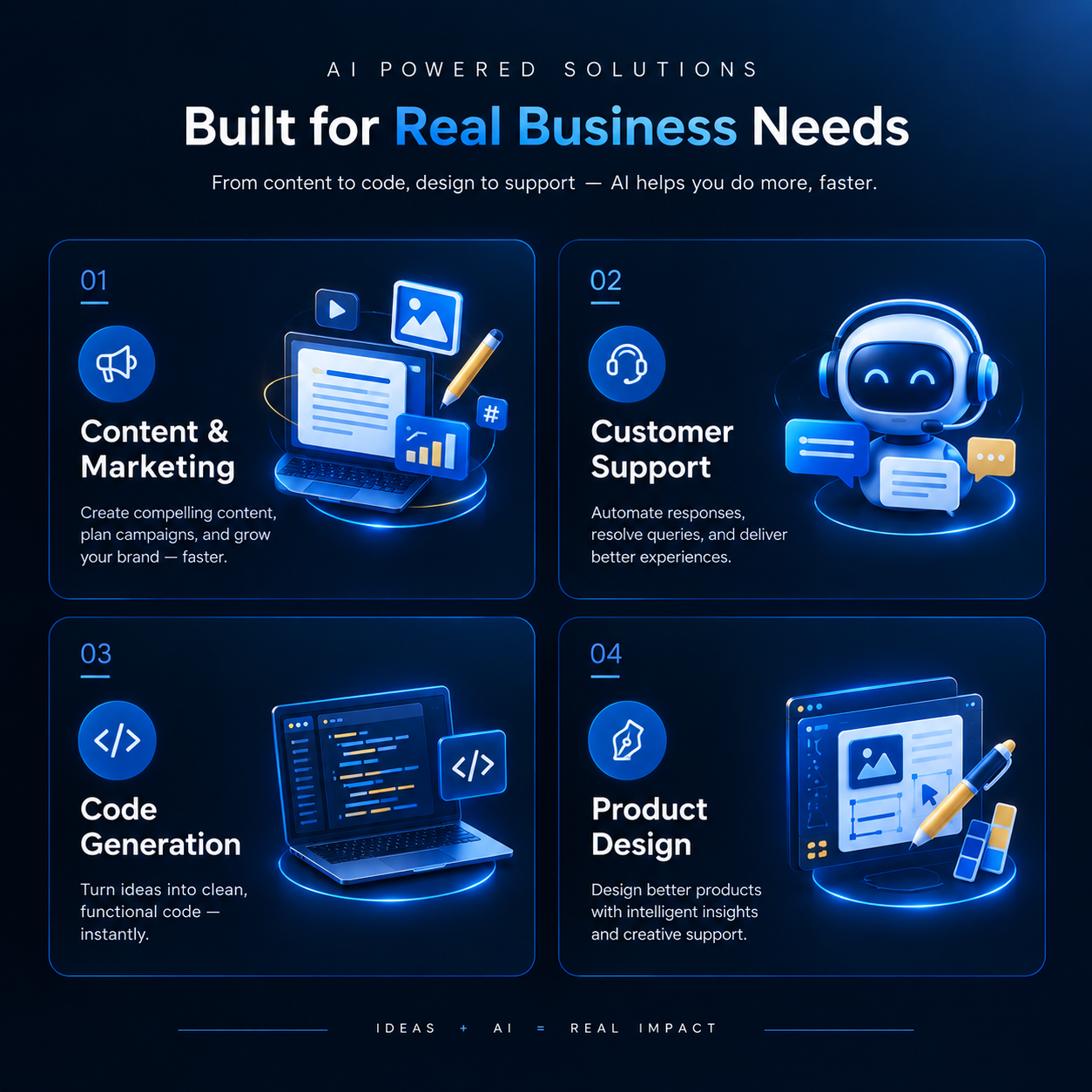
The most credible gains right now come from narrow, well-scoped use cases rather than sweeping automation. Four areas stand out.
Content and Marketing at Scale
Marketing teams are using generative AI to produce first drafts of blog posts, ad copy variations, and product descriptions in a fraction of the time it used to take. The gain isn't replacing writers, it's compressing the blank-page stage so human editors spend their time on strategy, accuracy, and brand voice instead of drafting from scratch.
Customer Support and Internal Knowledge
AI-assisted support tools can draft responses, summarize long ticket threads, and surface the right internal documentation in seconds. Companies using this well report faster first-response times and shorter resolution cycles, particularly for common, repetitive questions that used to eat up agent time.
Software Development and Code Generation
Development teams now use AI pair-programming tools for boilerplate code, test generation, and documentation, which shortens the distance between a feature idea and a shippable pull request. The teams getting the most value still keep experienced engineers reviewing everything the AI produces before it reaches production.
Product Design and Rapid Prototyping
Generative tools can produce multiple design directions, layout variations, and prototypes in the time it used to take to brief a single concept. That lets teams test ideas with real users before committing engineering budget to build the wrong thing.
The ROI Numbers Worth Paying Attention To
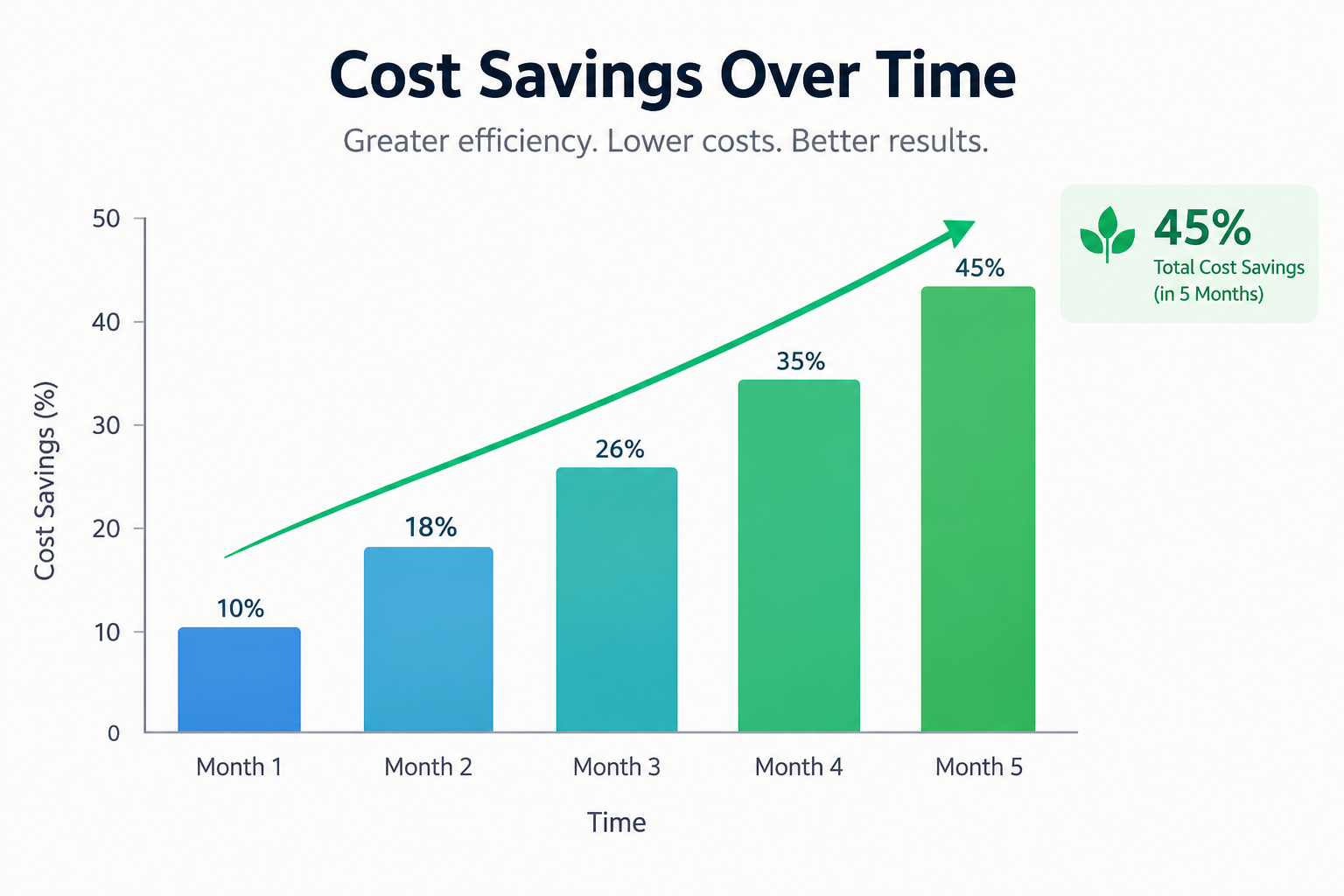
Track ROI the same way you would for any operational change: estimate the time saved per task, multiply by the hourly cost of the people doing that task, then subtract the cost of the tool and the time spent reviewing its output. Teams that skip the review-time cost tend to overstate their savings.
Common Pitfalls That Erase the Gains
Most of the disappointing results trace back to a handful of repeatable mistakes.
Bolting AI onto a broken process. If the underlying workflow is disorganized, generative AI just produces disorganized output faster.
Skipping human review on customer-facing content. Even strong models produce confident-sounding errors that damage trust when they reach customers unchecked.
No clear owner for the tool. Without someone accountable for measuring results, adoption fades and the subscription becomes dead weight.
Ignoring data privacy when connecting internal systems. Feeding customer or financial data into a tool without checking its data-handling policy creates real compliance risk.
How to Get Started Without Overinvesting
Start with one workflow that has a clear, measurable outcome, such as first-draft support replies or marketing copy variations. Measure the before-and-after numbers honestly, including the review time, before expanding to a second use case. Many companies find it faster and cheaper to work with an experienced AI partner to map the highest-value use cases first, rather than trying every tool on the market in-house.
Final Thoughts
Generative AI is no longer optional to evaluate, but it isn't a strategy on its own either. The businesses winning with it in 2026 treat it like any other investment: pick a use case, measure it, and scale what works. If you're still mapping out where it fits in your operations, it helps to talk it through with a team that has done this before you commit engineering time to building it.